
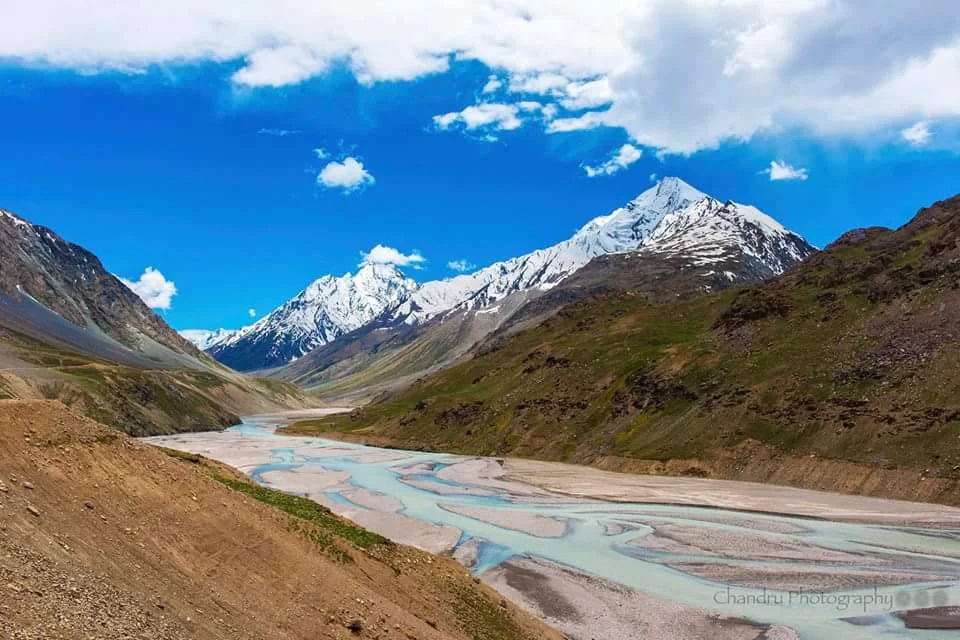
Trek Overview


Spiti Valley Trek is a stunning and remote region located in the Indian state of Himachal Pradesh.
It is known for its rugged landscapes, high-altitude desert, and ancient monasteries. Trekking in Spiti Valley offers an incredible adventure amidst the pristine beauty of the Himalayas.
Spiti Valley Trek Complete Guide
Our mission has always been to ensure that no trekker steps into the Himalayas without the right perspective. A trek is not just a checklist of summits; it is a serious commitment to the outdoors. Having the right information is what separates a reckless climb from a soulful journey.
This section serves as your definitive manual for the Spiti Valley Trek. We have distilled years of mountain experience and real-time feedback into this guide to give you a clear, honest picture of the trail.
We provide this depth of information because we want you to be more than just a visitor—we want you to be a prepared, responsible trekker who respects the mountains as much as we do.
Trek Itinerary
1: Short Itinerary
Overview: Trek Summary

2: Detailed Day-wise Itinerary
A Complete Route & Campsite Breakdown
Detailed Day wise Itinerary - Day -1
Day 01- you will be traveling from Chandigarh to Shimla. The distance between Chandigarh and Shimla is approximately 115 kilometers, and the journey takes around 4 to 5 hours, depending on the traffic and road conditions. Here’s a suggested itinerary for this leg of your journey
- Start early in the morning from Chandigarh to make the most of your day. You can either hire a taxi or take a bus from Chandigarh to Shimla. Buses are available from the Inter-State Bus Terminus (ISBT) in Chandigarh.
- Enjoy the scenic drive as you leave Chandigarh and head towards Shimla. The route passes through picturesque landscapes, including hills, forests, and small towns.
- As you reach Shimla, check into your accommodation and freshen up. Shimla is a popular hill station known for its colonial charm, pleasant weather, and scenic beauty.
- After settling in, you can explore the Mall Road, which is the main street in Shimla and lined with shops, cafes, and restaurants. Take a leisurely stroll, shop for souvenirs, and enjoy the local delicacies.
- Visit the famous Ridge, a spacious open space on the Mall Road, offering panoramic views of the surrounding hills and valleys. It is a popular spot to relax and take in the beauty of Shimla.
- You can also visit attractions like Christ Church, the second oldest church in North India, and the Viceregal Lodge, which was the summer residence of the British viceroys during the colonial era.
- In the evening, you can witness the beautiful sunset from Scandal Point, a famous viewpoint in Shimla.
- Enjoy dinner at a local restaurant, savoring the flavors of Himachali cuisine.
- Retire for the night at your accommodation in Shimla, preparing for the next leg of your journey.
Day - 2
Day 2-You will be traveling from Shimla to Kalpa, which is approximately 223 kilometers away. The journey usually takes around 7 to 8 hours, considering the road conditions and traffic. Here’s a suggested itinerary for this leg of your journey
- Start your day with a hearty breakfast at your accommodation in Shimla and check out.
- Depart from Shimla and begin your drive towards Kalpa. The route will take you through scenic landscapes, winding roads, and charming towns.
- As you travel, you will pass through picturesque places like Kufri, Narkanda, and Rampur. Take breaks along the way to admire the views and stretch your legs.
- Kufri, located around 16 kilometers from Shimla, is known for its beautiful views and adventure activities like horse riding and skiing. If you have time, you can make a short stop here and enjoy the attractions.
- Continue your journey towards Rampur, a historic town situated on the banks of the Sutlej River. You can visit the famous Padam Palace and explore the local market.
- From Rampur, the route will take you through the scenic Kinnaur district of Himachal Pradesh. Enjoy the mesmerizing views of the KinnaurKailash Range and the Sutlej River flowing alongside.
- As you reach Kalpa, check into your accommodation and take some time to relax and freshen up.
- Kalpa is a beautiful village located in the Kinnaur district, known for its apple orchards and stunning views of the KinnaurKailash Range. Spend the evening exploring the village, taking in the serene atmosphere, and enjoying the panoramic vistas.
- Visit the Kalpa Monastery, also known as Hu-Bu-Ian-Car Gompa, which offers a glimpse into the rich Tibetan Buddhist culture of the region.
- Enjoy a delicious dinner at a local restaurant, savoring the flavors of the local cuisine.
- Retire for the night at your accommodation in Kalpa, preparing for the next leg of your Spiti Valley trek
Day - 3
Day 03- You will be traveling from Kalpa to Tabo via Nako village, Gue/Giu Monastery, and spending the night at Tabo. The distance between Kalpa and Tabo is approximately 230 kilometers, and the journey takes around 7 to 8 hours, considering the road conditions and stops. Here’s a suggested itinerary for this leg of your journey
- Start your day with a delicious breakfast at your accommodation in Kalpa and check out.
- Begin your drive from Kalpa towards Nako village. The route will take you through scenic landscapes, winding mountain roads, and charming villages.
- After driving for a few hours, you will reach Nako village. It is a small and picturesque village situated by the banks of Nako Lake. Take some time to explore the village, visit the ancient Nako Monastery, and enjoy the serene beauty of the lake and surrounding mountains.
- Resume your journey from Nako towards Gue/Giu Monastery. This detour will take you to Gue or Giu, where you can visit the ancient Gue/Giu Monastery. The highlight of this monastery is the naturally preserved mummy of a Buddhist monk, which is over 500 years old.
- After visiting Gue/Giu Monastery, continue your drive towards Tabo. The road will offer you beautiful views of the rugged mountains and the Spiti River.
- As you reach Tabo, check into your accommodation and take some time to relax and freshen up.
- Tabo is famous for its ancient Tabo Monastery, which is over a thousand years old and a UNESCO World Heritage Site. Explore the monastery complex, admire the intricate murals and ancient sculptures, and experience the spiritual ambiance of the place.
- Take a walk around the Tabo village, interact with the locals, and immerse yourself in the serene and peaceful surroundings.
- Enjoy a delicious dinner at a local restaurant in Tabo, sampling the local cuisine.
- Retire for the night at your accommodation in Tabo, preparing for further exploration of Spiti Valley.
Day - 4
Day 04- You will be traveling from Tabo to Kaza via Dhankar Monastery and exploring Pin Valley and Mud Village. The distance between Tabo and Kaza is approximately 150 kilometers, and the journey takes around 5 to 6 hours, depending on the road conditions and the time spent exploring. Here’s a suggested itinerary for this leg of your journey
- Start your day with a delicious breakfast at your accommodation in Tabo and check out.
- Begin your drive from Tabo towards Dhankar Monastery. Dhankar is located at an altitude of approximately 3,894 meters and offers stunning panoramic views of the Spiti Valley.
- Visit the Dhankar Monastery, perched dramatically on a cliff overlooking the confluence of the Spiti and Pin Rivers. Explore the monastery complex, which houses ancient Buddhist scriptures, statues, and thangkas. Don’t miss the stunning views from the monastery’s vantage point.
- Continue your journey from Dhankar towards Pin Valley. Pin Valley is known for its picturesque landscapes, high mountain passes, and rich biodiversity.
- Explore the Pin Valley National Park, which is home to a variety of flora and fauna, including the elusive snow leopard, ibex, and Himalayan birds. Enjoy the serene beauty of the valley and take short hikes to explore the surroundings.
- Proceed towards Mud Village, the last motorable village in the Pin Valley. Take a stroll through the village, interact with the locals, and experience the traditional way of life in this remote Himalayan village.
- After exploring Pin Valley and Mud Village, continue your drive towards Kaza, the main town of Spiti Valley. Kaza is situated at an altitude of around 3,650 meters and serves as a base for further exploration of the region.
- Check into your accommodation in Kaza and take some time to relax and freshen up.
- In the evening, you can explore the local market in Kaza, shop for souvenirs, and try some local cuisine at the restaurants.
- Retire for the night at your accommodation in Kaza, preparing for further exploration of Spiti Valley
Day - 5
Day 05- You will be exploring various points near Kaza, including Kaza Monastery, Kibber, Chicham, Lanza Village, Hikkim, Comic Village, and Key Monastery. These places are located within a radius of approximately 106 kilometers from Kaza. Here’s a suggested itinerary for this day
- Start your day with a delicious breakfast at your accommodation in Kaza.
- Begin your exploration by visiting the Kaza Monastery, also known as the Sakya Tangyud Monastery. This monastery is perched on a hilltop overlooking the town of Kaza and offers panoramic views of the surrounding mountains. Take some time to explore the monastery and soak in the peaceful atmosphere.
- Next, proceed towards Kibber, which is one of the highest inhabited villages in the world. Enjoy the scenic drive as you ascend to Kibber, located at an altitude of approximately 4,205 meters. Explore the village, interact with the locals, and visit the Kibber Wildlife Sanctuary, which is home to several rare and endangered species.
- From Kibber, make your way to Chicham Village. Chicham is famous for its high suspension bridge, which connects two villages separated by a deep gorge. Take a walk across the bridge and enjoy the breathtaking views of the rugged landscape.
- Continue your journey to Lanza Village, a small and quaint village known for its traditional architecture and peaceful surroundings. Take a leisurely stroll through the village, admire the traditional houses, and enjoy the serenity of the place.
- Visit Hikkim, which is known for having the world’s highest post office. Send a postcard to your loved ones from this unique post office, located at an altitude of approximately 4,400 meters.
- Proceed to Comic Village, which is one of the highest villages in Asia accessible by a motorable road. Explore the village, interact with the locals, and visit the ancient Comic Monastery, which houses rare Buddhist scriptures and artifacts.
- Finally,
head towards Key Monastery, one of the most iconic monasteries in Spiti
Valley. This ancient monastery is perched on a hilltop overlooking the
Spiti River. Explore the monastery complex, admire the ancient murals, and
enjoy the panoramic views of the surrounding mountains.
After a day of exploration, return to Kaza and spend the evening at your accommodation, relaxing and reflecting on your experiences.
Day - 6
Day 06- You will be traveling from Kaza to Chandratal Lake via Kunzum Pass. This leg of your journey involves driving through scenic landscapes and high-altitude passes. Here’s a suggested itinerary for this day
- Start your day with a delicious breakfast at your accommodation in Kaza and check out.
- Begin
your drive from Kaza towards Kunzum Pass. The route will take you through
picturesque valleys and rugged terrains, offering
breathtaking views of the surrounding mountains. - As you ascend towards Kunzum Pass, you will reach an altitude of approximately 4,551 meters. Take breaks along the way to admire the panoramic views and capture some memorable photographs.
- Kunzum Pass is a high mountain pass that connects the Spiti Valley with the Lahaul Valley. Take some time to soak in the beauty of the pass and explore the area.
- After crossing Kunzum Pass, continue your drive towards Chandratal Lake. The road descends from the pass, and you will be treated to mesmerizing views of the Spiti Valley.
- As
you approach Chandratal Lake, you will witness the stunning beauty of the
crescent-shaped lake surrounded by snow-capped peaks. Take some time to
explore the area, walk around the lake, and immerse yourself in the
tranquility of the surroundings.
Enjoy a picnic lunch by the lake, savoring the serene atmosphere and the pristine beauty of the surroundings.
Spend some quality time at Chandratal Lake, taking in the breathtaking views and capturing memorable photographs. - After spending a memorable time at Chandratal Lake, continue your journey towards your overnight camping site near the lake. Camping near the lake is a popular option, allowing you to experience the night sky and the peaceful ambiance of the area.
Day - 7
Day 07- You will be traveling from Chandratal Lake to Manali via the Atal Tunnel. The distance between Chandratal Lake and Manali is approximately 110 kilometers, and the journey takes around 5 to 6 hours, depending on the road conditions and traffic. Here’s a suggested itinerary for this leg of your journey
- Start your day with a hearty breakfast at your camping site near Chandratal Lake.
- Bid farewell to the beautiful surroundings of Chandratal Lake and begin your drive towards the Atal Tunnel.
- The Atal Tunnel, also known as the Rohtang Tunnel, is the longest high-altitude tunnel in the world and connects the Lahaul Valley with the Kullu Valley. Enjoy the scenic drive through the tunnel, which cuts through the PirPanjal Range.
- As you exit the tunnel, you will enter the Kullu Valley. Continue your drive towards Manali, enjoying the picturesque landscapes along the way.
- As you approach Manali, you will be greeted by the lush greenery, gushing Beas River, and beautiful mountain views.
- Upon reaching Manali, check into your accommodation and take some time to relax and freshen up.
- Manali is a popular hill station and offers a range of attractions and activities. You can explore the local market, visit the Hadimba Devi Temple, and take a stroll along the Mall Road. You can also indulge in adventure activities like paragliding, river rafting, and trekking, depending on your preferences.
- Enjoy a delicious dinner at a local restaurant in Manali, savoring the flavors of the local cuisine.
- Retire for the night at your accommodation in Manali, reflecting on the incredible journey through Spiti Valley.
Day - 8
Day 08- You will be traveling from Manali to Chandigarh. The distance between Manali and Chandigarh is approximately 303 kilometers, and the journey takes around 8 to 9 hours, depending on the road conditions and traffic. Here’s a suggested itinerary for this leg of your journey
- Start your day with a delicious breakfast at your accommodation in Manali and check out.
- Begin your drive from Manali towards Chandigarh, enjoying the scenic landscapes and mountain views along the way.
- The route from Manali to Chandigarh will take you through picturesque valleys, charming villages, and lush greenery.
- As you travel along the route, you can take breaks at various points of interest, such as Kullu, where you can visit the famous Kullu Shawl Factories and the scenic banks of the Beas River.
- Continue your journey, and as you approach Chandigarh, you will notice the transition from the mountains to the plains.
- Upon reaching Chandigarh, check into your accommodation and take some time to relax and freshen up.
- Chandigarh, the capital city of Punjab and Haryana, is known for its well-planned architecture, beautiful gardens, and urban design. You can explore the city’s famous attractions, such as the Rock Garden, Sukhna Lake, Rose Garden, and Capitol Complex.
- Take a leisurely walk around the city’s well-maintained gardens and enjoy the serene atmosphere.
- In the evening, you can visit the local markets in Chandigarh, such as Sector 17 or Sector 22, and indulge in some shopping or try out local delicacies at the numerous eateries.
- Enjoy a delicious dinner at a local restaurant in Chandigarh, savoring the flavors of Punjabi cuisine.
- Retire for the night at your accommodation in Chandigarh, reminiscing about the memorable journey through Spiti Valley.
3: Spiti valley Trek Difficulty
The best time to visit Spiti Valley for trekking is during the summer months from June to September. This period is considered the trekking season in Spiti Valley due to favorable weather conditions and accessibility. Here’s a breakdown of the seasons and their characteristics in Spiti Valley:
- Summer (June to September): This is the primary trekking season in Spiti Valley. During these months, the weather is relatively mild, with pleasant daytime temperatures ranging from 15 to 25 degrees Celsius (59 to 77 degrees Fahrenheit) in the lower regions. The high-altitude areas may experience cooler temperatures and occasional rainfall. The roads and passes are usually open, allowing for better accessibility to the valley.
- Monsoon (July to August): The monsoon season brings some rainfall to Spiti Valley, especially in July and August. While the region receives less rainfall compared to other parts of India, there might be occasional roadblocks and difficulties due to landslides. However, the landscapes become greener and more vibrant during this time.
- Autumn (September to October): September and October are also good months to visit Spiti Valley. The weather remains pleasant, and the skies are generally clear. The temperatures start to drop, especially in the higher reaches, and nights can get chilly. The autumn season offers breathtaking views of the changing colors of the landscapes.
- Winter (November to May): Winter is a challenging time to visit Spiti Valley for trekking due to extremely cold temperatures and heavy snowfall. The region experiences harsh winter conditions, and most of the high-altitude passes, including Kunzum Pass and Rohtang Pass, are closed. However, if you are an experienced trekker with proper gear and skills, you might consider winter treks that cater to extreme adventure enthusiasts.
It’s important to note that weather conditions in mountainous regions can be unpredictable, and it’s advisable to check local weather forecasts and road conditions before planning a trek to Spiti Valley. Additionally, if you plan to visit during the peak summer months, it’s recommended to make accommodation and transportation arrangements in advance as Spiti Valley attracts a significant number of tourists and trekkers during that time.
4: Best time to visit Spiti Valley Trek ?
Best Time to Visit Spiti Valley Trek
The best time to visit Spiti Valley for trekking is during the summer months from June to September. This period is considered the trekking season in Spiti Valley due to favorable weather conditions and accessibility. Here’s a breakdown of the seasons and their characteristics in Spiti Valley:
- Summer (June to September): This is the primary trekking season in Spiti Valley. During these months, the weather is relatively mild, with pleasant daytime temperatures ranging from 15 to 25 degrees Celsius (59 to 77 degrees Fahrenheit) in the lower regions. The high-altitude areas may experience cooler temperatures and occasional rainfall. The roads and passes are usually open, allowing for better accessibility to the valley.
- Monsoon (July to August): The monsoon season brings some rainfall to Spiti Valley, especially in July and August. While the region receives less rainfall compared to other parts of India, there might be occasional roadblocks and difficulties due to landslides. However, the landscapes become greener and more vibrant during this time.
- Autumn (September to October): September and October are also good months to visit Spiti Valley. The weather remains pleasant, and the skies are generally clear. The temperatures start to drop, especially in the higher reaches, and nights can get chilly. The autumn season offers breathtaking views of the changing colors of the landscapes.
- Winter (November to May): Winter is a challenging time to visit Spiti Valley for trekking due to extremely cold temperatures and heavy snowfall. The region experiences harsh winter conditions, and most of the high-altitude passes, including Kunzum Pass and Rohtang Pass, are closed. However, if you are an experienced trekker with proper gear and skills, you might consider winter treks that cater to extreme adventure enthusiasts.
It’s important to note that weather conditions in mountainous regions can be unpredictable, and it’s advisable to check local weather forecasts and road conditions before planning a trek to Spiti Valley. Additionally, if you plan to visit during the peak summer months, it’s recommended to make accommodation and transportation arrangements in advance as Spiti Valley attracts a significant number of tourists and trekkers during that time.
Trek Fee
Complete Package from Chandigarh to Chandigarh
Extra Notes
Ethics, Health & Safety
Safety Over Summit: The mountain will always be there, but your safety is irreplaceable. Knowing when to turn back due to weather or health is the mark of a true trekker.
Respect the Altitude: Above 10,000 ft, your body follows its own rules. Prioritize acclimatization and consistent hydration; never ignore the early signs of altitude sickness.
Mountain Ethics (Leave No Trace): Carry your trash back. We are guests in the wilderness ensure the trails remain as pristine as you found them.
Trust the Experts: Local guides understand the mountain’s temperament better than any map. Follow their advice—it is based on years of survival and experience.
Physical Readiness: A trek is a physical commitment. Arriving fit ensures that you don't just endure the trail, but actually enjoy the journey.
Trek Information
- Difficulty: High
- Duration: 4 day 5 Nights
- Region: Himachal Pradesh
- Basecamp: shimla
- Accommodation: Tents
- Suitable For: 15 to 55 years
- Cloakroom: Available
- Offloading: Available